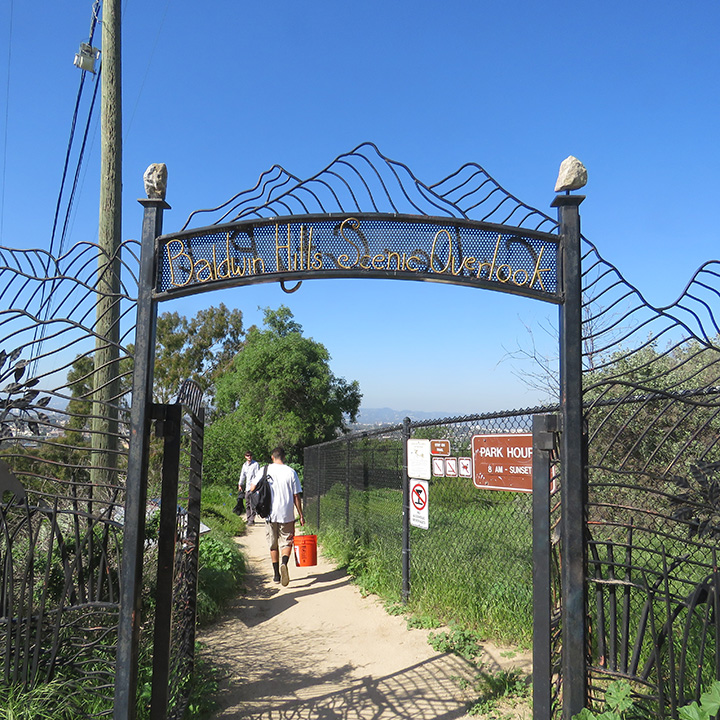
CURes’ applied research in Society and Environment investigates how large-scale public actions—from Maryland’s urban forestry goals to California’s park management—translate into local realities. We employ a collaborative, participatory research approach to bridge the gap between top-down government planning and the lived experiences of residents, particularly in historically marginalized communities.
To achieve this, we utilize a transdisciplinary toolkit that balances quantitative methodologies (e.g., network science, geospatial analysis, social surveys) with qualitative approaches that center place-based storytelling and local expertise (e.g., interviews, arts-based engagement, cognitive mapping). Through iterative co-development and evaluation, we are continually refining these processes to provide scalable models for local governments to engage their constituents authentically and effectively.
Our three main areas of research under Society and the Environment include: stewardship organizations and networks, park user studies, and community climate resilience.